Tag Archives: Science

Intro to Immunology, 1/19/26

The Immune System is a complex interplay between a dozen+ cell types, signaling molecules, anti-microbial systems and physical barriers that serves to protect our body from internal and external invaders in addition to leading clean up and repair of natural damage that occurs as part of daily life. The goal of this writing isn’t to outline every detail and nuance of the Immune System, but rather to provide a general overview of the major pieces and parts that contribute to protecting our bodies, allowing us to navigate life in a complex world full of dangers. In addition to providing a few relatable real-world examples of how our immune system protects us, I will also include some information on how it can become dysfunctional in its own right, leading to self-inflicted harm. This article will be a precursor to many more detailed and disease specific articles focused on creating comprehensible and digestible understanding of complex disease topics that affect life.

TERMS:
Innate Immune System = Non-specific pieces of the immune system.
Adaptive Immune System = Pathogen specific immune system.
Mucosa = Soft tissue that lines organs such as the airways, intestines and reproductive tract, allowing regulated entry/absorption from the surroundings to the rest of the body.
Pathogen = Agents such as viruses, bacteria and parasites that can infect a person.
Antigen = Any material foreign (from the outside world) or naturally occurring in the body that can cause an immune response.
Anti-microbial = Something that is known to stop the growth of or kill microorganisms such as bacteria, viruses, fungi or parasites.

The Immune System is divided up into two separate arms, the Innate Immune System which is made up of quick reacting non-pathogen specific protection mechanisms and the Adaptive Immune System, comprised of antigen specific responses that can be both short lived and very long lived (memory). The Innate Immune System is made up of three arms; natural barriers to entry (such as skin and airways), circulating molecules that destroy invaders and damaged cells and immune cells that wander the body looking for things to clean up. All of these mechanisms function in a pathogen agnostic manner, meaning it doesn’t matter if the invader is Bacteria A or B, Virus A or B. Meanwhile the Adaptive Immune Response exists for when these initial mechanisms get overwhelmed and our body needs to create a more specific response in order to eliminate the threat before it can cause too much ancillary damage to our own body. T-cells (Helpers and Killers) and B-cells (producing Antibodies) are the two main components of the Adaptive System that get amplified in response to a specific target. Once the threat is cleared, a portion of these cells can remain dormant in our body for years, just waiting for the same target to return (our Immune Memory). If that’s all you are interested in learning about the specific cells and pieces of the Immune System, feel free to skip down to the sections on “Health, Immune Function and Dysfunction” below, as the next section is a more detailed and denser explanation of the Immune System’s parts and pieces (for the nerds out there).

Components of the Innate and Adaptive Immune System
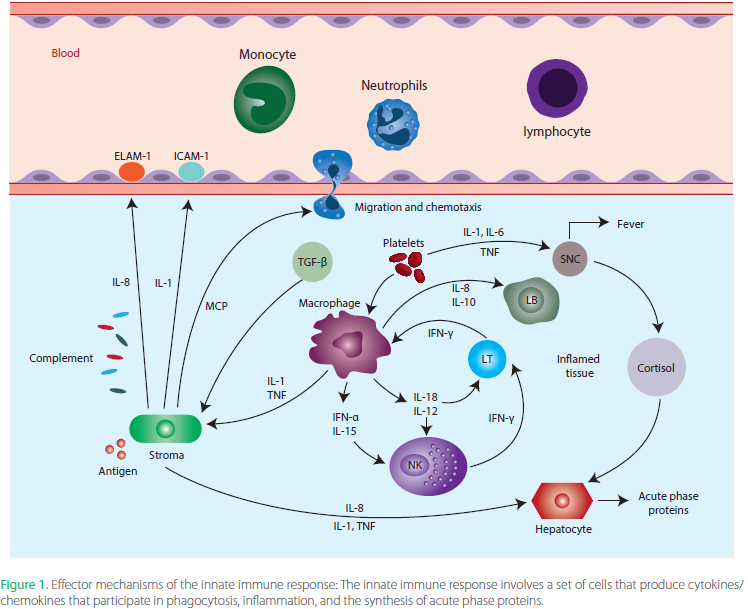
Immune exposure and development begins in utero, but really kicks into full swing after birth, when we are thrust into a dirty world full of new antigens and pathogens. While the process of exposure and reaction to our environment never stops after birth, the human Immune System is mostly formed by 3-4years of age. The first line of defense of the Innate Immune System are natural barriers like the skin and mucosal cells lining the airways, intestines and reproductive tract. These create physical barriers that provide limited and restricted access to the body, helping to prevent bacteria, viruses and allergens from regularly gaining entry. In addition, hair in the nostrils along with mucus in the airways and intestines help trap outside materials, allowing the cells that line these surfaces to produce natural anti-microbial molecules that are capable of destroying some pathogens. If these external barriers and systems are damaged or overcome, then the body has two additional sets of quick responding Innate mechanisms that serve to clean up and protect our organs and tissues. The first of these are a series of circulating molecules that include anti-microbial peptides (similar to natural antibiotics), proteins designed to tag and identify foreign molecules (eg CRP, lectins and ficolins) and complexes that help destroy infected or damaged cells (complement proteins). None of these are living, but all are capable of interacting with their targets to assist in protecting our body.

Innate Immune Overview. Anaya JM et al. Autoimmunity, From Bench to Bedside.

The second set of Innate mechanisms comprise a diverse group of cells that are both programmed to both dispose of garbage and to signal other more specialized cells to enhance the immune response. All of these cells have Pattern Recognition Receptors that are designed to identify common patterns found on bacteria, viruses, parasites, environmental allergens and damaged cells. These common antigens are things that our bodies are exposed to daily, and that we’ve evolved to recognize and clear out as part of our normal immune function. Granulocytes are some of the first cells to respond to issues, these include cells such as; neutrophils that help eat up foreign invaders and destroy damaged cells, eosinophils that help kill parasites and mast cells and basophils that are commonly involved in responses to allergens. The next class of cells collectively known as phagocytes (Monocytes, Macrophages and Dendritic Cells) serve two important functions, to eat up and destroy any garbage they find floating around and in more extreme cases to use this garbage to activate more specific Adaptive Immune responses (remember this in the next section). The last subset of Innate Immune cells are specially programmed killers, whose sole goal is to destroy foreign invaders and mutated cells (ie cancer cells). They are responsible for maintaining the balance between normal growth and dysfunction (parasites, mutations and cancers), preventing the latter from coopting our body.

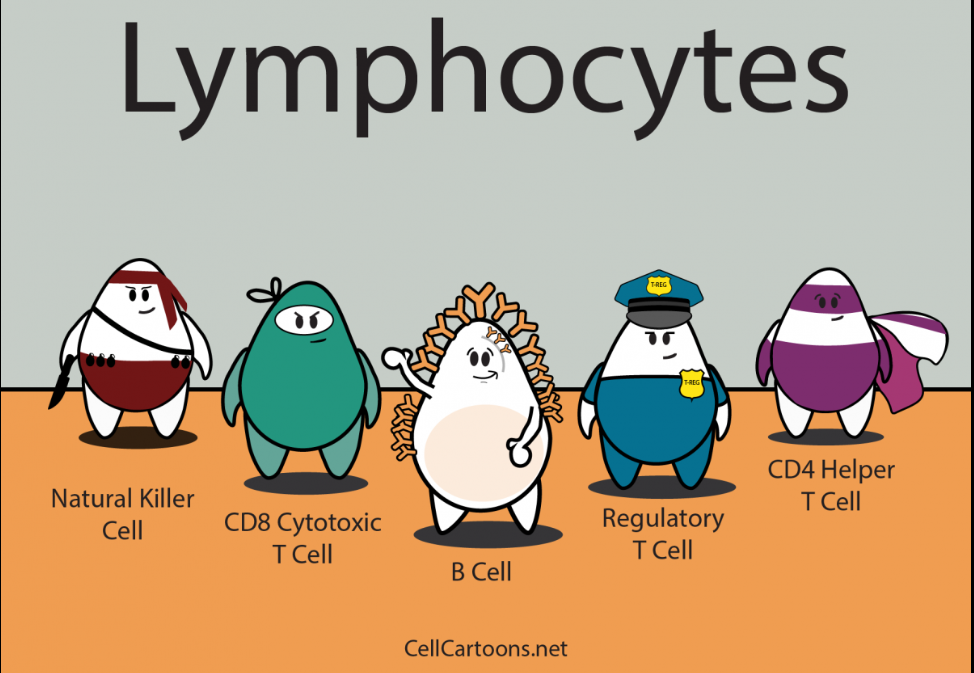
Primary cells of the Adaptive Immune System. https://cellcartoons.net/lymphocytes/

While the Innate Immune System has some generic patterns it recognizes, it is NOT responding in a pathogen specific way. Meaning it would respond to most bacteria using similar mechanisms and the same goes for many similar viruses. If the first lines of defense fail to contain the pathogen/damage, cells known as Antigen Presenting Cells (often Phagocytes) are able to trigger activation of the pathogen specific Adaptive Immune Response. The two cells many people are familiar with that drive Adaptive responses are T-cells and B-cells. There are three major classes of T-cells, each serving a different role in enhancing specific immune responses; CD4+ T-helper cells, CD8+ Cytotoxic T-cells (specialize in killing) and gamma-delta T-cells (Immune surveillance). During normal development, each CD4+ and CD8+ T-cell is created with a unique random target, in fact there are millions of these unique cells just floating around the body. If by chance one of the Antigen Presenting Cells finds a new infection that matches the unique target on one of these T-cells, then that unique cell multiplies in response to the specific activation signals. The CD4+ Helper T-cells role is to identify the location of these unique infections and to signal other killer cells and B-cells to migrate to the site of infection/damage, thus specifically amplifying the immune response. There are Helper T-cell types that target infections hiding inside our cells, others that target free floating infections, some that participate specifically in allergic responses, others that help in tissue repair and even some that are specifically programmed to slow down inflammation if things get too wild and crazy. Meanwhile the CD8+ Cytotoxic (Killer) T-cells have overlapping specificity to the Helper T-cells, but instead of recruiting other cells and amplifying immune response, their sole job is to kill any cell that matches their unique target. This includes both infected cells and mutated/cancerous cells.

The last arm of the Adaptive Immune Response is the infamous B-cell and the Antibodies they produce. Just like the T-cell, during normal times our body creates an army of millions of B-cells, each with a unique random target, just hanging around, waiting for a Phagocyte or T-Helper cell to show them the right target. If they find the unique antigen that matches their Antibody, they go into action, multiplying and cranking out Antibodies against the target. These Antibodies are basically very sticky keys (though shaped more like a Y), that bind to the infection/target, both marking it to be destroyed by the killer cells (discussed above) and walling off the target to prevent it from doing further damage to the body. In cases where the body amplifies T-cells and B-cells against a very specific infection/target, some of those cells mature and turn into memory cells that go into a hibernation like state, hanging out for years (or even our entire life). These cells lie in wait for that same infection/target to return, ready to quickly respond and prevent us from getting sick (this is generally how vaccines work). In total, our Immune System is a complex web or responses and interactions, all tightly regulated with feedback loops to allow careful responses to invading pathogens, repair damaged tissues and prevent excessive collateral damage to our own body from within.

Health, Immune Function and Dysfunction
You might be asking, how do all these cells and pathways affect how my daily bodily function, or when I get sick with a bacteria/virus, how about when things become dysfunctional leading to self-inflicted disease? Even more than the details above describing the different parts of the Immune System, these questions are much more pertinent to life on a day-to-day basis. Though unfortunately in some ways these questions are far more complicated than the Immune System itself. My goal in this section is to introduce some general trends and concepts, rather than to address every health condition, supplement, disease, Autoimmune condition out there. In subsequent posts I’ll be addressing specific diseases, conditions and health topics that are either of specific interest to me or that have been requested by people in my life (feel free to reach out with your request).

The Immune System is something that’s constantly working, reacting, resting and repairing the body every single day. The surrounding environment is full of agents that have the potential to harm us, cause disease or coopt our cellular machinery, and the Immune System is one of the major factors that keeps a lot of these in check. This includes preventing allergens from entering the body, killing off bacteria/viruses that we’re exposed to on a daily basis to repairing damaged tissue from all the cuts and scrapes we accumulate, the Immune System does a little bit of everything. Our external environment is constantly challenging our body’s defenses, and for the most part it does a good job of blocking out many things, killing off small numbers of invading pathogens, clearing out cancerous/dead cells and repairing both internal and external tissue damage. There are many aspects of our daily lives that help keep things functioning well, including proper nutrition, a good supply of energy (aka calories), adequate sleep, low stress and exercise. Even if we did everything perfectly to keep the body functioning at 100% (basically impossible), our body’s defenses and repair mechanisms sometimes need a little extra help.

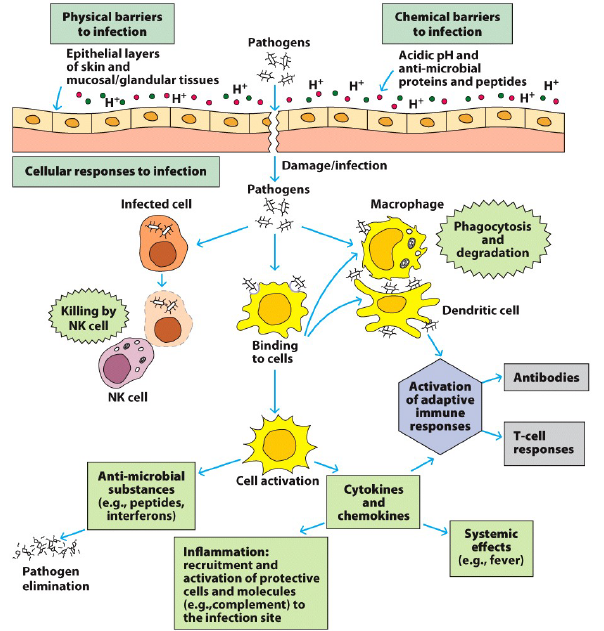
Overview of the Infection cycle and Immune Response. Kuby Immunology.

The most common challenge our Immune System faces is an overwhelm by too many pathogens. If a pathogen is either too numerous or has mechanisms to evade the immune system, then our body starts going into overdrive, manifesting in what most of us think of as ‘getting sick’. Our body temperature increases (fever) to both inhibit pathogen replication and increase immune activity, our vessels flood immune cells to the site of infection (causing inflammation), we have aches and pains (caused by stimulation of local nerves and the battle that’s being waged around them) and we become fatigued as our body reallocates energy to fighting off the infection. This infection can happen locally around a cut/wound, in a specific tissue (like a stomach bug or respiratory infection) or systemically (in your blood) affecting the whole body. There are varied degrees of severity of this process, at it’s best our body responds quickly to control the invading pathogen and we barely feel any symptoms (vaccines help prime these responses to be quicker), but at it’s worst the invading pathogen spreads throughout our body both infecting and killing cells directly but also hyper-activating our immune system so much so that it causes self-inflicted damage in its effort to clear the infection (collateral damage). So in general it is good to let the body go through the inflammation and healing process naturally, though if a fever gets too high or the immune response too severe, it can start to damage organs and cause more harm than good, and that’s when it’s a good idea to seek medical attention (especially for younger children). Unfortunately, sometimes it’s hard to know when our body crosses this line and what the best line of care is, because how each of us responds and how much each individual can tolerate is different.

The other challenge our immune system regularly faces is trying to keep the body from dysfunctionIng and directly attacking itself. This can occur in two main forms, Autoimmune disease (where the body mistakenly attacks itself) and Cancer (where mutations cause uncontrolled growth). Autoimmune diseases cover a wide-range of issues including Rheumatoid Arthritis, Type 1 Diabetes, Eczema and Psoriasis, Crohn’s disease, Multiple Sclerosis and Lupus among many others. In all of these diseases, some part of the Immune System becomes misdirected and hyperresponsive, leading to the body attacking itself and damaging a specific tissue or cell type. These diseases can be triggered by genetic factors, infections that cause a misfiring of the Immune System, random mutations causing auto-reactive cells, environmental triggers, chemical damage and other factors that we’ve yet to identify. Because of the varied causes of Autoimmune Diseases, we can’t always predict who or when they might occur. Even more challenging is that not all Autoimmune Diseases of a single classification are created equal, meaning one person with Eczema (skin disease) might have a different pattern of immune dysfunction than another person, so what treatments and interventions work best of each could be different (coming in the next blog). These are the types of discussions I’ll be trying to dive deeper into as part of future writings, discussing the more subtle nuance of a single disease or classes of diseases and what that means for those working through those challenges.

The other major classification of dysfunction is the diverse field of Cancer Biology. In over-simplified terms, Cancer is caused by a mutation that occurs somewhere in the body (really could be anywhere) that creates cells that divide, grow and spread in an uncontrolled manner. These cells can be in Immune Cells, epithelial cells, structural cells, nerve cells and so on. Regardless of the cell type, during normal maintenance processes, the Immune System is responsible for identifying these malfunctioning cells and destroying them before they can divide and spread, but when they are missed during the normal surveillance process is when disease can happen. These mutations can lead to the growth of either benign or malignant tumors, the former being a non-cancerous clump of cells (don’t spread and invade other tissues) and the latter growing rapidly and spreading throughout the body causing serious risk to normal tissue function. While there are some patterns in the mutations/cells that cause Cancer, there is also a lot of variability, which adds to the challenge of treating the disease, especially in the context of minimizing damage to non-cancerous tissue in the body, not always an easy feat. As such there is a wide range of therapeutic options, ranging from targeted radiation that kills the cancerous cells (and nearby cells), drugs that can interrupt cell division and growth, specialized therapies that can tag cancer cells for the immune system to identify (if they are unique enough) and the use of specially designed synthetic immune cells specially designed to attack the cancerous cells (one of the newer technologies). While the Oncology field has made great strides in understanding and treating Cancer, there are still many cancers that are hard to predict, identify and treat, meaning much more research is needed to improve the understanding of the what, how and why.

The process of healthy and normal immune function is a complex web of maintenance, reaction and regulation. Serving to protect our bodies, maintain normal growth and fix damage. All of the information above is just a small window into the complexities of disease and immune functionality. It’s also important to keep in mind that we’re all individuals and while I’ve outlined some general patterns that apply to most humans, we each have our own unique challenges, strengths and body types that need to be treated as such. This blog series is intended to be an ever-evolving work that serves to help those with Non-Scientific backgrounds further understand complex health related topics. As such I welcome all questions and any constructive comments and critiques from Scientist and Non-Scientist alike. Up next, Skin Diseases, Disruption and Immune Dysregulation…. If you’re a more visual learner, check out the University of California Televisions video on Immunology Basics, it’s about 1.5h long, so strap in.

This content is for educational and informational purposes only and is not a substitute for medical advice. It does not provide diagnosis, treatment recommendations, or guidance for any individual’s specific medical situation.

References

  • Abbas A et al. Cellular and Molecular Immunology. Elsevier Science, 2003.
  • Alberts B et al. The Cell. Garland Science, Taylor and Francis Group. March 2002.
  • Alotiby A. Immunology of Stress: A Review Article. Journal of Clinical Medicine, 2024; 13, pg6394.
  • Anaya JM et al. Autoimmunity, From Bench to Bedside. El Rosario University Press. September 2013.
  • Goldsby R et al. Kuby Immunology. WH Freeman & Company. January 2002.
  • Jain N. The Early Life Education of the Immune System; Moms, Microbes and (missed) Opportunities. Gut Microbes, Sept 2020.
  • Shishido SN et al. Humoral Innate Immune Response and Disease. Clinical Immunology, June 2012; 144, pg142-158.
  • Wrotek S et al. Let Fever do it Job. Evolution, Medicine and Public Health, Nov 2021; pg26-35.

Omicron and Endemicity? 1/24/22

The question I’ve received many times is what does Omicron mean for the end of the pandemic and the future of the vaccinated? The short answer is, anyone who tells you they know what is going to happen, when things will end or what the future holds is lying. While there are definitely signs of what the future of Omicron and the pandemic (maybe turning endemic) hold, Nature does not listen to our whims and there are biologically and epidemiologically still several paths we could travel down. The following blog is a departure from many of my previous writings in that it’s mostly my opinions and thoughts on these topics, lots of hypothesis, many of which are far from proven, but are still none the less backed up by scientific evidence and general biological principles. Welcome to the inner wanderings of my mind…..

Omicron Spread and Vaccines:
I’ll start by diving into why is Omicron spreading so fast, how might it be different and what does it mean for the future of the vaccine programs. The Omicron variant was first detected in South Africa in November 2021 (though the variant could have originate elsewhere), and what made it so unusual and worrisome was it contained 53 (!) mutations from the original founder strain, an extremely high number for a coronavirus. Hypothesis are currently that this virus must have evolved on it’s own in a long term reservoir (either immunocompromised host or animal) separate from Beta or Delta because it doesn’t closely resemble those two variants, but these are just hypothesis at the moment. What makes Omicron so successful is that these mutations appear to allow it to more efficiently bind to and enter human cells of the upper airway. This combined with the evidence that several of the mutations also interfere with the binding of some antibodies created by the vaccines (and previous infections), mean that our barrier to preventing initial infection with Omicron are torn down a bit more, but our protection is not lost!
So while vaccine detractors will point to vaccinated people becoming infected (which is true), there is a lot of real world evidence coming out that if you received a Covid vaccine (booster even better) you’re MUCH less likely to suffer severe disease or be hospitalized, which after all is what worries us the most. Part of the reason for this is that even though your immune defenses can’t prevent the initial infection, there appears to be enough cross-reactivity between existing immunity and Omicron that the body gets a jump start on fighting the infection, and as such has a much easier time controlling the disease. I attribute my current case of Omicron being mild to these advantages (in addition to being young-ish and healthy). We also have the good fortune that Omicron appears to not cause as severe disease (on average) when compared to Delta. A current working hypothesis is that what makes Omicron more infectious, may also mean it doesn’t damage the pulmonary tissue as much. After all, a virus’s main goal is to replicate and spread, and a dead host is not useful for spreading a virus. Successful viruses infect a host efficiently, replicate quickly and allow that host to spread the virus to other hosts. This is exactly what Omicron appears to be doing, and what also brings us to the next topic, Endemicity.

Endemicity?
The hope has always been we get to a place through vaccination, medications and natural immunity where we can live in more of a steady state with SARS-CoV-2. What this would include is the virus being a normal part of life, circulating within the population, not causing massive outbreaks, overflowing hospitals, killing hundreds of thousands and infecting millions each month. Obviously we’re not there yet as we still see massive numbers of new infections each day, a lot of hospitalizations and far too many dying (as of 1/24, >1000/day US). But what people are starting to allow themselves to talk about with Omicron is the potential that with how fast Omicron is spreading and the more widespread availability of vaccines, that maybe moving from the current pandemic to SARS-CoV-2 being endemic is possible.

For this to happen, enough people would have to be immune and/or refractory to severe infection that the virus is no longer a concern for most people (or our hospital system). The current variant, being less severe (on average) and far less severe (on average) in vaccinated individuals does look like it could push us in that direction. The trouble with proclaiming the end of the pandemic pre-maturely is that no one can tell you for certain that as the virus infects hundreds of millions more people in it’s push to endemicity, it won’t mutate again to become more severe/deadly. While the idea that there aren’t direct biological evolutionary pressures pushing the virus to be more effective at killing the host…mutations can be random and don’t always follow that path. But if Omicron continues on it’s current path (BIG IF) and infects much of the population in the coming months then maybe the number of new infections in each outbreak will greatly dwindle, our hospitals won’t overflow with severely ill patients and maybe we can move forward with thinking of SARS-CoV-2 as just another cold virus…..just maybe.
Our work is still not done, hundreds of millions will still get infected in the coming months/year and many will die sadly. Our job right now is to arm ourselves with as many tools to fight the virus as possible (vaccinate the world, stay healthy, wear a mask to reduce exposure, keep researching new medications) and to protect those who are still at the highest risk of severe infection.

Eric is an Immunologist and Infectious Diseases Scientist based in Boulder, CO. The thoughts in this blog are his own and are by no means proclamations of certainty, but rather musings and hypothesizing.

Sciencing the shit outta stuff, that’s how we do it.

Catching Up with Covid, 11/12/20

Topics:
Vaccines
Therapeutics
Reinfection and Immunity
Children and Schools
Looking Forward


Well, a lot has happened since I last wrote a Covid related piece, and a lot of important things have come to light very recently. In the past six months those of us in the United States have endured several waves of outbreak, and currently as of this writing we’re in the middle of the worst outbreak since the initial outbreak in April/May (Nov 11th, 2020; 144,000 New Cases, 65,000 hospitalized patients and 1400 New Deaths, John’s Hopkins data). There are many possible reasons for this proliferation in infections, but it’s not specific to a political party, demographic or portion of the country. Rather than argue about that, I’ll simply say, it doesn’t seem like people are acting responsibly and we’re going to pay the price, as death rates always lag a few weeks behind infections.

In the following paragraphs I’ll outline a lot of what has happened with the development of the SARS-CoV-2 Vaccines (including immunity, data, side effects, and timelines), what we’ve learned about the virus and how we’re treating it with new therapeutics, what the data tells us about how safe schools are and lastly some additional important notes about transmission. Note that this write-up is based on the information known as of 11/11/20, and I’m sure in the weeks following a lot of new information will come out. So let’s dive right in to the topic on almost everybody’s mind….are the vaccines going to work, when will they be approved and how long before ‘I’ can be vaccinated?

SARS-CoV-2 Vaccine Development and Trials:

The big headline on 11/9/20 was that interim data on the Pfizer/BioNTech’s vaccine “BNT162b2” shows 90% efficacy in preventing SARS-CoV-2 infection. Before we jump to too many conclusions, let’s take a step back and talk about how we got where we are and what we know. Since the release of the first genetic sequences of SARS-CoV-2 way back in January 2020 (10 months ago!) the scientific community has been working at a feverish pace to learn everything we possibly can about the novel coronavirus, turning out a mountain of research that would normally take a decade, in just a year’s time. A search for scientific articles containing “Covid” on pubmed.ncbi.nlm.nih.gov/ returns 68,494 hits! On top of this, many of the biggest Biotech companies in the world have dedicated huge proportions of their of their staff (often working lots of overtime) to the single task of solving this public health crisis, so believe me when I say this has been a truly unprecedented time for Science.

Vaccines against SARS-CoV-2 have progressed along timelines never seen before, partially because of this massive effort by the scientific community to execute multiple steps in the pipeline simultaneously, building off previous research on SARS-CoV and utilizing advances in vaccine development discovered in recent years. But questions remain, will the vaccine work, what kind of immunity is possible against SARS-CoV-2 and how long will it last? A lot of research has focused on assessing two major pieces of the human memory immune response to viruses; Bcells/Antibodies and Tcells. Most people have heard of antibodies (and the Bcells that produce them), and while most of the literature has shown that moderate to severe cases of Covid-19 lead to strong neutralizing antibody responses (Long April 2020), the durability (how long they last) is still open for debate and seems to depend on the severity of the disease experienced (Long June 2020). Thankfully the other arm of the memory immune response (CD4+ and CD8+ Tcells) seems to be far more robust and durable, and many studies have shown strong levels of anti-viral activity in a wide array of Covid-19 patients, even those who become seronegative (negative for antibodies) (Sekine June 2020, Le Bert July 2020, Grifoni June 2020). So this brings us back to vaccines, and a growing mountain of evidence that a well designed vaccine that leads to a robust immune response can subsequently lead to immunity against Covid-19.

There are currently 10 vaccines in Phase 3 clinical trials (raps.org), this is the final Phase of testing in which a large number of patients are vaccinated with the aim of looking at how effective the test vaccine is at preventing SARS-CoV-2 infection compared to a placebo control. Each trial is set to vaccinate upwards of 60,000 of people and won’t close down until a certain number of people become infected (doesn’t matter if they’re placebo or test vaccine). The threshold for the Pfizer trial is set at 164 infections, and the trial currently sits at 94 positive Covid cases, meaning they’re targeting another 70 positive Covid infections in the study before they close down and analyze all the data (though this could happen sooner). Early data from Phase 1&2 Trials of the successful vaccine candidates have shown a strong and consistent induction of the immune system, with SARS-CoV-2 specific antibody titers and SARS-CoV-2 reactive CD4+ Tcell levels being as high or better than those found in patients who have recovered from natural Covid-19 disease (Folegatti July 2020, Anderson Sept 2020, Sahin Sept 2020, Walsh Oct 2020). While the long term efficacy (>1year) of these responses is not known at this time, these trials are set to follow patients out for 2 years post-vaccination, and so far early returns (3-4months post-vaccination) are all promising that the vaccines create durable responses that will last for at least some time (TBD).

So we might have an approved vaccine before the end of the year (maybe even several), what next? Well thankfully for the general public many of these companies have already started building production capacity and scaling up production, banking on a successful Phase 3 trial (a big gamble). This means that if/when their vaccine is approved they are ready to start shipping vials almost immediately. Both the Pfizer/BioNTech and Moderna vaccines are mRNA vaccines, a relatively new technology that is MUCH faster to produce than traditional protein based vaccines. Problem is, there are some 7.5billion people to vaccinate, and initial estimates from Pfizer are to have enough vaccine for 50million doses (25million people) this year, that’s not a lot when distributed around the world. The WHO has a plan to evenly distribute the vaccine across all countries, but it remains to be seen if wealthier nations allow this to happen (WHO.INT/). Here in the US a team led by the Army have already worked out a supply chain and distribution plan to the different states, and then it’s up to each state to create a prioritization plan on who gets vaccinated first. Here in Colorado a rough draft of this plan has already been submitted to the CDC for approval, check this link for the full draft.
Skip to page 22-23 if you want to see the tiered priority list of who will be vaccinated first. In short the higher risk professions and people will be given first priority, even then estimates are that Colorado will receive 100,000 doses in the first shipment, enough to vaccinate 50,000 people, only a portion of those in Tier 1A. For those of you in the healthy general public, expect to wait until next Spring/Summer to get vaccinated (these timelines are still very fuzzy).

So whenever your turn comes up, there is a big question of what to expect from this vaccine. First off, there might be several choices available, and it remains to be seen if they all have similar efficacy and longevity. Second, there are different kinds of vaccines (mRNA, whole inactivated, subunit vaccines, hybrid vectors, etc) (Krammer Sept 2020). We don’t yet know how they stack up against each other, so I won’t elaborate any more at this time on them, but welcome questions about the different types if anybody has them. None of these vaccines are using live replication competent virus, so they do NOT cause infection. Two things to note about the vaccines in full disclosure, it’s not going to be as convenient or as comfortable as other vaccines we’re given in a more routine manner. This is part of what was sacrificed to make these timelines possible. Note, this DOES NOT in any way mean safety corners were cut or that regulatory steps were skipped, but rather it means that the comfort and patient experience isn’t quite as clean or easy. Many patients receiving the two dose vaccine regimen (Oxford, Moderna, Pfizer) report mild to moderate flu like symptoms within 24hours of administration; fever, fatigue, headache, etc. The symptoms are reported to go away within 24hours and are indicative of the body mounting a very strong immune response against a very strong vaccine, a good thing! Just be prepared to take a day off after receiving the vaccine, because there’s a good chance it’ll knock you on your ass (very short term).

Therapeutics

Other big news that came out this week was that Eli Lilly’s monoclonal antibody therapy against Covid-19 was given Emergency Use Authorization, though it is only being prescribed to elderly and high-risk patients, but at no charge (per US Government). Thankfully this is one of several therapeutics that have been shown to be efficacious in reducing the severity of Covid-19. Therapeutics can be divided up into those that act during the early stages of infection aimed at reducing the viral load and those acting during the later stages of infection that aim to minimize the damage caused by the immune response. In the former are anti-viral drugs such as Remdesivir (Gilead) (Spinner Aug 2020), monoclonal antibodies like Bamlanivimab (Eli Lilly) and REGN-COV2 (Regeneron, still in Phase 3) and a host of other anti-virals and biotherapeutics progressing through clinical trials. Convalescent plasma, while initially promising and helpful for some patients, is becoming less commonly used due to the inconsistent levels of neutralizing antibodies in donor patients (Agarwal Oct 2020). All of these treatments have been shown to be most efficacious when administered during the early stages of infection, before the disease reaches critical levels. Once the infection becomes more severe, requiring hospitalization, most of the therapeutics above have been shown to have minimal impact on the cytokine storm induced pathology, but this is when dexamethasone comes into play. A corticosteroid first approve in 1958, it acts as an immunosuppressant to help control the body’s over-reactive immune response to the virus that causes much of the late stage disease pathology, keeping many patients off ventilators (Tomazini Sept 2020). While none of these therapies are cures they have been instrumental in helping save some patients and in reducing the overall mortality rate. THIS is what the lockdowns did, they bought the Medical and Scientific community time to catch-up so that we could save more lives, though we still have a long way to go.

Reinfection and Immunity (Update)

Another big question that has arisen recently is about the potential for long term immunity and reinfection, the latter was recently proven by several case studies in Nevada, Hong Kong, Belgium and Ecuador (Iwasaki Nov 2020). First let’s start with what’s been learned about the immune response (for a more details on the immunology/virology, see my previous post). SARS-CoV-2 is a fairly sinister virus, in addition to asymptomatic/pre-symptomatic spread, the immune responses caused by it are quite variable. In many asymptomatic and mild cases the levels of neutralizing antibodies and length of seropositivity were shown to wane quite rapidly (Long June 2020), while those who had more severe disease had longer lasting humoral responses. Thankfully as I briefly introduced above, Tcell immunity seems to be more consistent across all infected patients (Sekine June 2020) and plays a major role in the memory response to the virus. Research has also shown that some people who have been previously infected by other coronaviruses have cross reactive memory responses to SARS-CoV-2 (Sette Aug 2020, Mateus Aug 2020), and that children may harbor higher levels of these cross reactive antibodies, a potential reason they are more resistant to Covid-19 (Ng Nov 2020). Preliminary data from one paper also showed that immune priming using the seasonal influenza vaccine can help promote immune responses to SARS-CoV-2. This is very preliminary lab data, and IS NOT inducing specific responses, but rather just an immune priming effect, similar to an adjuvant (Debisarun Oct 2020). This cross reactivity from other coronaviruses and immune priming from the flu shot DO NOT confer immunity, but may be part of the reason some people have more mild disease than others, though these hypothesis are still under investigation.

But if the body creates all these immune responses (some durable), how are people getting reinfected? Unfortunately for the handful of confirmed case studies we (Scientist) don’t know the exact answer. It’s possible the individual immune response was incomplete and thus proper memory cells were not created or maybe they were infected with such a high dose the memory response was overwhelmed? Thankfully, while viral sequencing of the Nevada case showed two separate viruses during the first and second infection, the mutations in their genomes did not appear to affect the antigenic sites the body recognizes; in short, mutation does not seem to be the reason for reinfection. Now, before you spin yourself into a frenzy, we’re talking about less than a dozen confirmed cases worldwide. If reinfection were a major issue (right now) we’d be seeing thousands of cases, not a handful, and these outliers were inevitable. So for now there is no need to panic about this topic, though it remains to be seen how long (beyond 1 year) immunity lasts and how stable the virus will be long term. So far due to proof-reading enzymes in the virus, and lack of selective pressures the virus seems to be fairly stable (Romano May 2020). Research on both these topics is ongoing, and as we get further out from the initial outbreak more will come to light.

Children and Schools

Now on to something a little more contentious, what role do children and schools play in the spread of the virus and is it safe to open up schools? I’ve spoken with many parents and teachers about this, and have heard stories on both sides; inability to work when kids are home, forcing a 6yo to do 5h/day of zoom (horrible), trying to educate one’s kids while working from home, teachers being given inadequate PPE to setup safe environments, teachers being guilted into working because if they don’t they’re responsible for our kids failing and on and on. It’s a terrible situation all around, so rather than focus on the politics, I’ll try to focus more on the research about how infectious are children and whether or not schools cause outbreaks.

By now most people are aware that children (0-19) rarely get severe disease and their risk of dying is very low. But the role of those under the age of 19 in spreading the virus is not so simple. Younger children (<4 or <6 in some papers) do not seem to be very strong vectors for Covid-19, meaning they are less likely to be infected and to transmit the infection to others. Older children (6-13) on the other hand were far more likely to become infected and transmit the virus, while young adults (14-19) experienced similar disease progression to people in their 20s (Goldstein July 2020). Though one study out of Duke did find that children of all ages (0-19) had similar nasopharyngeal viral loads (Hurst Sept 2020), but did not relate this back to infectious spread. So for children the story is more complicated because there does seem to be age related variability in regards to symptoms, though they can still become infected and transmit the virus in many instances.

Now the big question, what do the case studies from schools that have reopened show about the potential for Covid-19 outbreaks in schools? Unfortunately the answer again isn’t completely clear, partially because schools are reopening with a variety of mitigation measures, different levels of community spread and with different plans for testing, isolating and tracking outbreaks. Case studies out of Germany and Australia concluded that transmission within schools was fairly low IF community spread of the virus remained low AND rapid testing and contact tracing protocols were followed (Ehrhardt Aug 2020, Macartney Aug 2020). In both of these case the schools were running at reduced capacity, and following rigorous cleaning protocols, physical distancing and mask policies in some instances. Another case study out of Luxembourg found that during a community outbreak, secondary infections were transmitted throughout schools, though no large super-spreader events occurred in the schools (due to tracking and tracing programs) (Mossong Oct 2020). Overall the literature seems to agree that school related outbreaks are far more common in secondary and University level facilities (Goldstein July 2020), and while outbreaks do happen in younger children they do not seem to spread as rapidly. Measures such as reduced class sizes, physical distancing, rigorous cleaning, hand washing, mask wearing and testing and contact tracing will help limit any potential outbreaks. Though all of this is also contingent upon the level of community spread, and no study has tested or recommended reopening schools during larger and uncontrolled community outbreaks (like what’s happening in the US right now). The State of Colorado tracks all our larger outbreaks that are associated with a single facility/school, and if you look at the data you’ll notice many schools listed, but also many other businesses, events and gatherings.

Final Notes and Looking Forward

While there is a ton of promising data about vaccines, therapeutics, mitigation measures that help us control the spread, we are far from done with the pandemic. With cases, hospitalizations and deaths spiking all across the United States things are promising to get worse before they get better. Winter will bring the confounding issues of people being stuck indoors more often, influenza returning to the Northern Hemisphere (get your flu shot!) and the holidays (which promise to see lots of people traveling). If you have to travel I’d highly recommend you read my earlier post about navigating airlines, and be aware of the risks you are taking (United has fully booked flights right now, every seat). While airlines have been shown to not be high risk by themselves (Freedman Sept 2020), several outbreaks, including a large one on an Irish airline (59 cases), should be stark reminders of what can happen when people let their guard down (Murphy Oct 2020). Pandemic responses are not just about each person protecting themselves, but about all of us protecting those around us as well. Boulder County just went back into ‘Safer at Home: Level Orange‘, heavily restricting gatherings (2 households/10 people max) and further restricting other events and businesses. While we in the Scientific/Medical community are Catching up with Covid, it appears Covid is catching up with the general public….it’ll be a race to see who comes out on top.

Citations:
Agarwal et al, Convalescent plasma in the management of moderate covid-19 in adults in India: open label phase II multicenter randomized controlled trial (PLACID Trial). BMJ, Oct 22, 2020.
Anderson et al, Safety and Immunogenicity of SARS-CoV-2 mRNA-1273 Vaccine in Older Adults. NEJM, September 29, 2020.
Eli Lilly, Lilly’s neutralizing antibody bamlanivimab (LY-CoV555) receives FDA emergency use. Press Release, 11/11/20.
Debisarun et al, The effect of influenza vaccination on trained immunity: impact on COVID-19. medRxiv pre-print. October 16, 2020.
Ehrhardt et al, Transmission of SARS-CoV-2 in children aged 0 to 19 years in childcare facilities and schools after their reopening in May 2020, Germany. Eurosurveillance, September 10, 2020.
Folegatti et al, Safety and immunogenicity o ChAdOx1 nCoV-19 vaccine against SARS-CoV-2: a preliminary report of a phase 1/2, single blind, randomized controlled trial. Lancet, Vol 396: 467-478. July 20, 2020.
Freedman et al, In-Flight transmission of SARS-CoV-2: a review of the attack rates and available data on the efficacy of face masks. Journal of Travel Medicine, 1-7. September 18, 2020.
Goldstein et al, On the effect of age on the transmission of SARS-CoV-2 in households, schools and the community. medRxiv pre-print, July 26, 2020.
Grifoni et al, Targets of T Cell Responses to SARS-CoV-2 Coronavirus in Humans with COVID-19 Disease and Unexposed Individuals. Cell, 181; 1489-1501. June 25, 2020.
Guo et al, Long-Term Persistance of IgG Antibodies in SARS-CoV Infected Healthcare Workers. MedRxiv preprint, Feb 2020.
¬Han et al, Clinical Characteristics and Viral RNA Detection in Children with Coronavirus Disease 2019 in the Republic of Korea. JAMA Pediatric, August 28, 2020.
Hurst et al, SARS-CoV-2 Infections Among Children in the Biospecimen from Respiratory Virus-Exposed Kids. medRxiv pre-print, September 1, 2020.
Iwasaki et al, What Reinfections mean for COVID-19. Lancet Infectious Diseases, November 6, 2020.
Kaur et al, COVID-19 Vaccine: A comprehensive status report. Virus Research, Vol 288. August 13, 2020.
Krammer et al, SARS-CoV-2 vaccines in development. Nature, September 23, 2020.
Le Bert et al, SARS-CoV-2 specific T cell immunity in cases of COVID-19 and SARS, and uninfected controls. Nature, Vol 584, August 20, 2020.
Long et al, Clinical and immunological assessment of asymptomatic SARS-CoV-2 infections. Nature Medicine. June, 18 2020.
Macartney et al, Transmission of SARS-CoV-2 in Australian educational settings: a prospective cohort study. Lancet Child Adolescent Health, August 3, 2020.
Mateus et al, Selective and cross-reactive SARS-CoV-2 T cell epitopes in unexposed humans. Science, August 4, 2020.
Mossong et al, SARS-CoV-2 transmission in educational settings an early summer epidemic wave in Luxembourg. Pre-print, October 2020.
Murphy et al, A Large National Outbreak of COVID-19 Linked to air travel, Ireland, Summer 2020. Eurosurveillance, Oct 6, 2020.
Ng et al, Preexisting and de novo humoral immunity to SARS-CoV-2 in humans. Science, November 6, 2020.
Romano et al, A Structural View of SARS-CoV-2 RNA Replication Machinery: RNA Synthesis, Proofreading and Final Capping. Cells, Vol 9(5): 1267. May 20, 2020.
Sahin et al, COVID-19 vaccine BN162b1 elicits human antibody and Th1 T cell responses. Nature, Vol 586. October 22, 2020.
Sekine et al, Robust T cell immunity in convalescent individuals with asymptomatic or mild Covid-19. bioRxi preprint. June 29, 2020.
Sette et al, Pre-existing immunity to SARS-CoV-2: the knows and unknowns. Nature Reviews, Vol 20: 457-458. August 2020.
Spinner et al, Effects of Remdesivir vs Standard Care on Clinical Status at 11 Days in Patients with Moderate COVID-19. JAMA, August 21, 2020.
Tomazini et al, Effect of Dexamethasone on Days Alive and Ventilator-Free in Patients with Moderate or Severe SARS Distress Syndrome and COVID-19. JAMA, September 2, 2020.
Walsh et al, Safety and Immunogenicity of Two RNA-Based COVID-19 vaccine candidates. NEJM, October 14, 2020.
Willyard, Ageing and COVID Vaccines. Nature, October 15, 2020.

COVID-19; Immunology and the Infection Cycle, 4/22/20

Sorry for the delay, but this one has taken a lot of time and thought to put together (and reading some 80 odd Covid research papers). My goal in this edition of Covid Science Theater 2020 is to talk about what happens when the virus enters our body, infects our cells and subsequently leads to either mild disease or more severe infections. It’s going to be a fairly dense article, but I’ll do my best to keep the science and terminology to something generally understandable and hopefully educational.

For those who don’t want to delve too much into the specifics of all the virology, immunology and pathology I’ll provide a short 1 paragraph set of clifs notes here. The virus most commonly enters the host through mucus membranes (eyes, nose, mouth) and infects vascular endothelial cells and cells of the lungs, kidneys, GI tract and begins to replicate. The body initially responds to the virus through a host of Innate Immune mechanisms; these generic counter measures are deployed against all invading pathogens as a first line defense and are not specific to the invading pathogen. Unfortunately, these initial immune responses aren’t always adequate to contain the virus (the virus sometimes evades destruction, other times the virus just overpowers the immune response) so our body deploys a second type of response known as the Adaptive Immune response. In this phase, T-cells and B-cells are primed to respond to the specific infectious agent (here, SARS-CoV-2). Often this two-pronged approach works to contain the infection, eliminate the virus and build up lasting memory to subsequent infections. Unfortunately in some people the virus spreads too rapidly and the immune response doesn’t respond appropriately, leading to destruction of their organs (notably the lungs) and potentially death. Sometimes this more severe outcome is caused by the virus itself, but more often it seems to be caused by an overzealous immune system trying to play catch-up. So there’s the quick and dirty; in the following paragraphs I’ll go into more detail about Viral Entry/Binding/Replication, Early Cellular Responses, Clinical Symptoms, Adaptive Immune Response and What Happens and Why the Immune System Sometimes Fails.

The information in the following paragraphs comes from a combination of basic immunology principles (Kuby Immunology textbook), observations and early research released about Covid-19 and conclusions drawn from earlier studies of SARS-CoV-1 (a virus that is very similar to the current SARS-CoV-2, but with some caveats of course). As Covid-19 is still a new disease, we are constantly learning new things about the virus, infection cycle and pathology, so while what I outline here is based on a lot of research, there are definitely aspects of this virus that we don’t fully understand, and need further investigation.

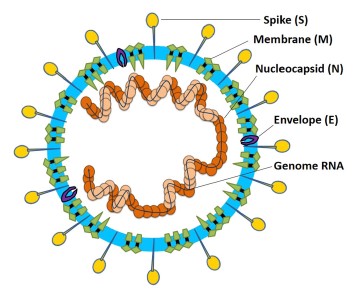
Graphic of the structure of a SARS virus, the S, M and E proteins are the most important in regards to host recognition, Li et al 2020.

Viral Entry and Replication

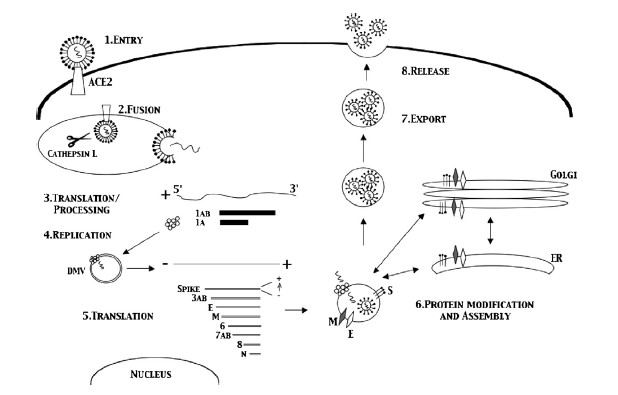
Coronaviruses get their name from the hallmark shape, a circular capsid (or shell) that is spiked with proteins on the outside and sheltering the virus genetic sequence on the inside. The Spike (S), Membrane (M) and Envelope (E) proteins make up the majority of the viruses outer shell, while the Nucleocapsid (N) protein found inside the virus assists in viral replication. This small assortment of proteins, plus a few others, make up the bulk of the very simple viral structure (Weiss 2005, Li 2020). The novel coronavirus 2019 (COVID-19) shares a lot of homology or similarity with the original SARS virus that was discovered in 2002, genetically 80% similar, while being 76-95% similar for the major proteins listed above (Xu 2020). This allows researchers to draw a lot of conclusions from previous research on SARS-CoV-1, though we must be careful when doing so, as there are some known (and unknown) differences between the two viruses. The infection cycle starts with the virus gaining entry to the host, usually through mucus membranes of the eyes, nose and mouth. Once inside the virus often begins it’s infectious cycle by infecting vascular endothelial cells that line vessels throughout the body. While different viruses have different mechanisms by which they enter host cells, SARS-CoV-2 binds to the ACE2 receptor using its spike protein (same as SARS-CoV-1), allowing it to enter the host cell (Jia 2005, Walls 2020). Like most viruses, SARS-CoV-2 then goes through a multi-stage process by which it hijacks some of machinery inside our own cells to in order to replicate, escape and subsequently infect more cells in a continual cycle (Frieman 2008).

Overview of the SARS viral life cycle inside the host, Frieman et al 2008.

Early Cellular Response

Thankfully our body has a whole host of immune mechanisms it utilizes to deal with infectious agents of all types. Almost as soon as an invading pathogen has infected our cells the immune system starts going to work. The Innate Immune response is our constantly active sentinel, whose cells are constantly circulating all over our body just looking for foreign invaders to attack and kill. These innate cells use Pathogen Associated Molecular Patterns (PAMPs), or markers of foreign invaders, as the initial signals something is wrong and that it’s time to go to work (Li 2020). Some cells go to work directly attacking the virus and infected cells in an attempt to destroy the virus, others release signaling molecules known as cytokines and chemokines that recruit other cells to help in the fight (Frieman 2008), and some cells just go ahead and sacrifice themselves in an effort to prevent the virus from hijacking them, a process known as apoptosis (Lim 2016).

Symptoms: What and How They Manifest

While this system works well for many invading pathogens (why we are not sick all the time), allowing our body to control the infection, many viruses (and bacteria) have evolved mechanisms by which to evade, subvert and co-opt the immune response to their advantage. For SARS-CoV-2 it seems to be able to prevent the host immune system from activating one of it’s key anti-viral signaling pathways, the Type 1 Interferon pathway (Lim 2016, Li 2020, Frieman 2008). While it is not known exactly how the virus subverts this system a few hypotheses involve the Nucleocapsid protein (Lim 2016), other non-structural proteins (Lim 2016), and some of the SARS enzymes (Chen 2014). So by reducing the host immune response the virus is able to more effectively replicate and spread, leading to a more systemic infection. This is when we start to experience more of the hallmark symptoms of the infection; fever, sore throat, coughing, fatigue, pulmonary inflammation leading to shortness of breath and possible pneumonia and lymphopenia (a decrease in lymphocytes, more on that later) (Huang 2020, Zhu 2020). Most of these symptoms are a physical outcome of the body’s ongoing fight with the virus, trying to delicately balance destroying the invader, while preserving the host organs and system. The fever is the immune system’s attempt to raise the core temperature enough to burn out the infection. The sore throat/cough is an outcome of our immune system attacking infected cells of the airways and trying to expel the invader (mmm mucus), same for the pulmonary issues (initially, more on this later too). While many of these symptoms may be scary and uncomfortable they are often a normal part of our body’s healing process when dealing with a foreign invader. So under normal circumstances, it’s best to rest and let your body do it’s thing, unfortunately this doesn’t always go as planned, as we’ll find out in the following sections….

Adaptive Immune Response; Stage 2

In the previous two sections you’ve seen how our well intentioned Innate Immune system can sometimes fail leading to illness, thankfully the body has a backup, the Adaptive Immune response. This secondary wave of the immune response goes into action very soon after the initial infection (several hours to few days, infection dependent) and is mostly comprised of two cell types; T-cells and B-cells. When the levels of virus in the body start to rise, several of the innate immune cells can act as activators of the adaptive immune response, taking pieces of the virus to specialized activation centers know as lymphoid organs. These centers of immune activation are spread all over our body and are the primary site of pathogen specific antigen (virus pieces) presentation. The antigen presenting cells (Dendritic cells are most prominent) present the virus to the T-cells and B-cells as if locks in a door, allowing the T-cells and B-cells to go to work making specific keys (receptors and antibodies) that can attack and destroy the pathogen in a very focused manner. The outer proteins that make up the viral capid (proteins S, M, E) tend to be the most effective as this is what is visible to our body when intact virion are released (Liu 2017). So the body makes a whole army of these specific cells that traffic to the sites of infection; T-cells directly attack the virus and infected cells, while B-cells make antibodies that bind to parts of the virus, preventing them from entering new cells and marking them for destruction (Liu 2017).

These two arms of the Adaptive Immune response are also what comprise our immunological memory. Virus specific T-cells and antibody producing B-cells remain dormant in specialized lymphoid organs (sometimes they also remain in circulation), just waiting for the virus to turn up a second time. This time since they are already primed and ready to go, memory T-cells and B-cells start attacking the virus almost immediately, usually preventing the virus from spreading and preventing us from getting sick. Studies of SARS-CoV-1 have found both memory T-cells and memory B-cells (producing neutralizing antibodies) that are capable of rapidly responding to viral reinfection (Li 2020, Liu 2017, Channappanavar 2014). In human patients who recovered from SARS-CoV-1 infection anti-SARS antibodies and memory T-cells were found in most patients up to 24 months after infection (Liu 2006, Ka fai 2008, Liu 2017). While antibody responses did decline over time in SARS-CoV-1 patients (many undetectable at 6 years), memory T-cell responses were conserved for up to 11 years after infection (Tang 2011, Ng 2016, Liu 2017). Similar high quality neutralizing antibodies have been found in COVID-19 patients, but since the disease is so new the longevity of memory responses to this new virus aren’t exactly known. Encouragingly, since SARS-CoV-2 is so similar to the original SARS virus, and lab testing has even shown that their be might cross-reactive protection between the two diseases (Walls 2020), there is much hope that the long lasting memory responses seen for SARS-CoV-1 would also apply to those who have recovered from COVID-19. All of this evidence, both old and new, does inspire a lot of hope that a functional vaccine would both be likely and very effective in providing some duration of immunity from COVID-19, but how long remains to be seen.

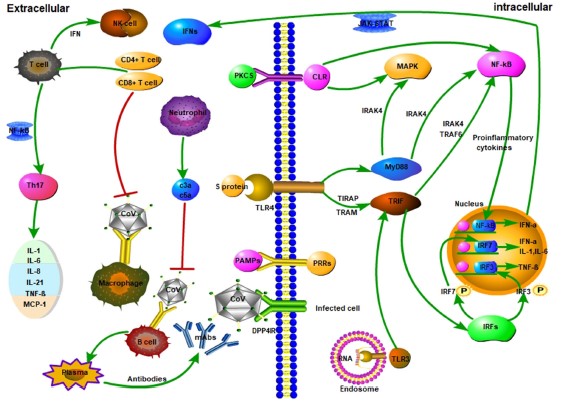
Graphical overview of the many cells and pathways involved in the host immune response to SARS. It’s a complex set of feedback loops and interactions with a lot of variables. Li et al 2020.

When the Immune System Fails, Severe Disease

The reason COVID-19 is such a scary disease, isn’t because our immune system has no problem fighting it off, but because in some percentage of the cases (uncertain, but estimates are as high as 10-20%) patients need to be hospitalized due to severe complications. If our immune system is so complex and so strong, why do patients with COVID-19 get so sick that they need hospital care? It comes down to numerous very subtle things this virus does that are different than coronaviruses that cause the common cold. One is the effect SARS-CoV-2 has on Type 1 Interferons mentioned earlier, reducing the body’s initial response to infection. Another early symptom seen in many severe cases is lymphopenia, or a loss of lymphocytes (notably T-cells) early on in disease (Huang 2020, Schmidt 2005, Weiss 2005). While the exact cause of this loss of T-cells is not known, it is hypothesized that the viral proteins may lead directly to T-cell death as a mechanism of immune evasion (Lim 2016, Li 2020). These mechanisms of avoiding immune detection along with the efficiency of viral replication can lead to an out of control infection very quickly.

But in the end, it’s only partially about the virus, and largely about an overexuberate immune response. In an attempt to catch-up to the wide-spread infection the immune response goes into overdrive, ramping up a lot of the inflammatory cells and signaling molecules that tell the body to attack the infection (Li 2020). This response does in fact kill the infected cells, but it also destroys lung tissue (primary target), vascular tissue, liver tissue and other infected tissues (Tian 2020, Schmidt 2005). This is often when the more obvious signs of pneumonia set in; the lungs fill with fluid, the efficiency of aveoli decreases (oxygen absorption) and breathing becomes very labored and difficult. This is the tricky thing about COVID-19, making our immune response more efficient would help prevent early infection, but later on would lead to increased tissue damage. But if we reduce the immune function of the body to prevent self-inflicted tissue destruction, we run the risk of allowing the virus to run rampant throughout our body. COVID-19 is a tricky disease to treat for these reasons, and because the disease severity has a wide range of outcomes for different people. In some, infection is very mild and asymptomatic, in others, their entire body shuts down as the virus (and immune system) destroys the host from the inside. The reason many comorbidities are important as risk factors for severe disease is that most of them either affect the immune system or lung function. Obesity, diabetes, auto-immune diseases all alter the immune system’s ability to function, making it harder to fight off the virus. COPD and asthma (though less prominent then thought) make the host pulmonary system more sensitive to damage caused by the virus and immune system.

But not all hope is lost! Because of the large body of evidence suggesting that SARS viruses create robust lasting immunity, this means a vaccine might be very effective at protecting most of the population. Also, now that there are many patients who have recovered from COVID-19, tests are underway to examine if using their plasma (containing antibodies) can help patients who are suffering from more severe cases of the disease (works for other viruses like Ebola). We also have several promising anti-viral agents that are already in clinical trials being tested against COVID-19, with hopes that one or more of them will help improve patient outcomes and be ready for use later this year. Unfortunately all of this does take time, meaning we won’t have a cure next month, but by slowing the spread of the virus, not only do we allow hospitals to manage the patient load, but we allow all the scientist out there to catch-up and produce much needed data, therapies and vaccines.

Thanks for reading. If you see any mistakes please bring them to my attention and I will correct them ASAP. If you have additional questions or want to discuss the immune response in more detail (this is a very high level overview) I’d be happy to do so via text or email. Stay safe and stay healthy.

Literature Citations:
Chan et al, Serological Responses in Patients with Severe Acute Respiratory Syndrome Coronavirus Infection and Cross Reactivity with Human Coronaviruses 229E, OC43, NL63. Nov 2005, Clinical and Diagnostic Laboratory Immunology.
Channappanavar et al, T cell-mediated immune response to respiratory coronaviruses. May 2014, Immunology Res.
Chen et al, SARS coronavirus papain-like protease inhibits the type 1 interferon signalling pathway through interaction with the STING-TRAF-3 TBK1 complex. Jan 2014, Protein Cell.
Frieman et al, SARS Coronavirus and innate immunity. 2008, Virus Research.
Huang et al, Clinical features of patients infected with 2019 novel coronavirus in Wuhan, China. Jan 2020, Lancet.
Jia et al, ACE2 Receptor Expression and Severe Acute Respiratory Syndrome Coronavirus Infection Depend on Different Human Airway Epithelia. Dec 2005, Journal of Virology.
Ka-fai Li et al. T cell responses to Whole SARS Coronavirus in Humans. Oct 2008, Journal Immunology.
Li et al. Coronavirus infections and immune responses. Jan 2020, Journal of Medical Virology.
Lim et al. Human Coronaviruses: A Review of Virus-Host Interactions. 2016, Diseases.
Lu et al. Immune responses against severe acute respiratory syndrome coronavirus induced by virus-like particles in mice. June 2007, Immunology.
Ng et al, Memory T cell responses targeting the SARS Coronavirus persist up to 11 years post-infection. March 2016, Vaccine.
Schmidt et al. Coronaviruses with a special emphasis on First Insights Concerning SARS. 2005, Birkhauser Advances in Infectious Diseases.
Tang et al, Lack of Peripheral Memory B cell responses in Recovered Patients with Severe Acute Respiratory Syndrome: A Six-year Follow-up Study. May 2011, Journal of Immunology.
Tian et al, Pulmonary Pathology of Early-Phase 2019 Novel Coronavirus (COVID-19) Pneumonia in Two Patients with Lung Cancer. Feb 2020, Journal of Thoracic Oncology.
Walls et al, Structure, Function and Antigenicity of SARS-CoV-2 Spike Glycoprotein. Apr 2020, Cell.
Weiss et al, Coronavirus Pathogensis and the Emerging Pathogen Severe Acute Respiratory Syndrome Coronavirus. Dec 2005, Microbiology and Molecular Biology Reviews.
Xu et al, Systematic Comparison of Two Animal-to-Human Transmitted Human Coronaviruses: SARS-CoV-2 and SARS-CoV. Feb 2020, Viruses.
Zhou et al, Clinical course and risk factors for mortality of adult inpatients with COVID-19 in Wuhan, China: a retrospective cohort study. March 2020, Lancet.

COVID-19 and Masks, 4/5/20

There’s been a lot of debate and misinformation floating around about the use of masks for the general public as a measure to prevent the spread of infectious diseases, specifically Covid-19 in the United States. Do they help, do they not? Is an N95 really better than a surgical mask, is this better than a cloth mask? How and when should they be used? On 4/3/20 the CDC in the United States finally came out with a blanket recommendation that ALL citizens of the United States wear some sort of face covering whenever in public. This was a dramatic change of direction from the previous recommendation that masks were completely unnecessary, except for front line hospital workers and for the infected. In this rendition of Eric’s Science Corner I’ll do my best to present some of the data and studies that have looked at the questions above, in an attempt to clarify the misunderstandings and the mixed messages. The topics I’ll try and cover are; what are the different types of masks and what are they designed to do? How useful are the different types of masks for the general public? And finally, a few best practices on how to wear and use a mask or face covering. Rule #1, just ignore anything Donald Trump says, now on with the info.

Defining Mask Types

To start there are three main categories of face masks that I’ll be discussing; fitted N95 respirators, professional grade surgical masks and cloth masks (variety of materials). There are numerous sub-categories for each and also other types of protective face wear I won’t discuss because they aren’t really relevant to the general population, only to those in the hospitals and those of us who work in laboratories. The first type is the fitted N95 respirator, these are face fitted respirator masks that have been certified to filter out approximately 95% of aerosols and particulate matter (when worn properly). You breath through either a small filtration unit in the front of the mask or directly through the filtering material of the mask, NOT around the sides (as it should be sealed). The professional grade surgical masks that many of us have seen in the hospitals are loose fitting non-sealed masks that are designed to block the wearer from inhaling large droplets/splashes and to block their respiratory emissions (protecting others around them). They are not designed to prevent the wearer from inhaling aerosolized particles as they are not sealed around the edges (cdc.gov, crosstex.com). The final group are the cloth masks which can be made from various materials. Their main purpose is to allow more comfortable widespread facial covering for the general public; to reduce the inhalation of larger droplets and to reduce one’s own exhalation and aerosol creation. These types of masks are not specifically certified in any way, though I will discuss the research that has been done looking at filtration, efficacy and utility of the different materials.

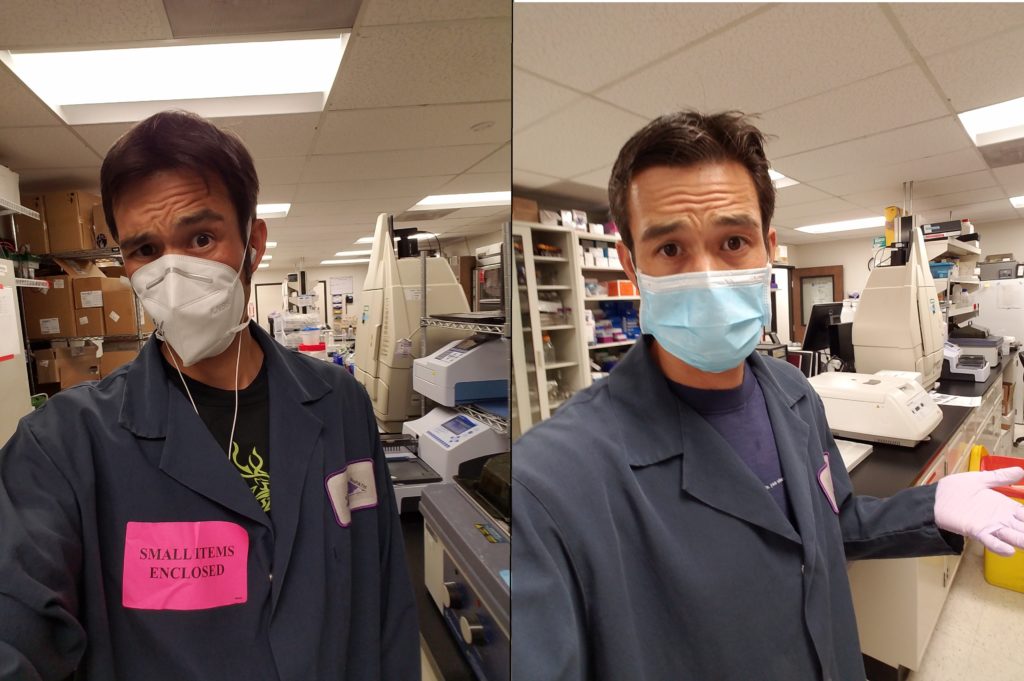
On the left is a standard N95 Respirator mask, on the right is a surgical mask.

So now on to how well do these different types filter out microparticles, specifically in regards to viral transmission (because that’s what’s on everyone’s mind). Numerous studies that compare N95s and surgical masks and how they prevent infection in hospital settings have shown both to be similarly effective when dealing with droplet based respiratory viruses like influenza (Randanovich 2016, Smith 2016). Laboratory testing of these two types of masks does confirm that the smaller the particle size, the better an N95 performs compared to a surgical mask (van der Sande 2008, Shakya 2016), thus they are more effective for those dealing with high level risk of aerosolized viral exposure. These two types of masks are certified, so it’s no surprise they perform fairly well, but what about the cloth and homemade masks? The first thing to consider is the type and thickness of material being use for the mask. Things that allow easy breathing or light to penetrate aren’t going to filter the air as efficiently, but if it’s too thick that you can’t breathe through it then it becomes extremely hot, uncomfortable and unwearable (and you breath around the sides, rather than through the material). One study comparing the filtration efficiency (of masks in a lab test, not on a person) of different materials found that items such as tea towels and cotton mixed fabrics did the best job of filtering particulate matter (up to 70% mean filtration) out of the air, while silk, scarves (like buffs), pillow cases and normal cotton T-shirts did not perform as well (45-60% mean filtration efficiency), with surgical masks being their standard (90-96% mean filtration)  (Davies 2013). When commercially available cloth masks were compared to surgical masks on humans (again in a lab) filtration efficiency was more variable; with cloth filtering out 30-50% of microparticles while surgical masks filtering out 60-90% of microparticles and N95s consistently filtering out 80-95% (Shakya 2016). The efficiency of filtration directly correlated to the size of the particle, with cloth masks performing the poorest on particles small than 1µm in size. So that’s a little background about how the masks are INTENDED to be used and how they function in a laboratory, how about in real life?

Use in the General Public

By now you’ve probably heard many times that the public should not hoard or use N95s because we need them for our frontline workers (very true) and they don’t work for the public (partially true). The first piece is that because of the size of this pandemic we don’t have sufficient supplies of N95s for highly trained hospital workers who are coming into direct contact with the virus on a daily basis, thus need this heightened level of protection, first (and most important) reason not to stock up or hoard them. The second is that for an N95 to be at it’s most useful and functional you have to have it fit tested, you need to be trained in proper techniques to don/doff a mask and you have to actually use it correctly (you can’t be taking it off to talk, to eat, to drink, basically you can’t break the seal unless in a clean contained environment). They are also designed to be disposable, meaning you can’t wash them, though sadly our healthcare workers are being forced into extreme measures to try and sterilize/reuse them for lack of options. For the general public a surgical mask would be a descent option because they are designed to reduce droplet transmissions and to block one’s exhalations (protecting those around you), but sadly our hospitals are also short on these too, so for now they need to be saved for the frontline works (and patients) where they’ll do the most good. Also remember that both of these are designed to be disposable, so can’t be washed and aren’t designed to be reused for weeks on end (like the public would need).

So this brings us to cloth masks and their use in the general public. Mistakenly the US government (CDC) originally came out saying that cloth masks don’t work and that they aren’t necessary. By now most people have realized this isn’t exactly true, because why else would they change their minds and recommend people wear them? Yes, cloth masks are NOT designed to stop all tiny viral particles (and aerosols) from passing through, and yes they are not highly efficacious, but that doesn’t mean they don’t help. While a cloth mask won’t fully stop one from inhaling aerosols and microparticles, they do filter out some of the smaller aerosols (30nm-1µm) but more importantly block larger droplet transmission both inward and outward (Davies 2013, Shakya 2016). So while they do filter some of the air you’re inhaling, the major benefit of a mask is to protect those around you by minimizing the amount of aerosols you create. This is especially true with the knowledge that those infected with COVID-19 can be asymptomatic but still capable of spreading the infection. For masks to be most beneficial we all should wear them in any public setting where we’ll be interacting with others (even if we’re socially distancing).

Best Practices for Masks

Now on to a few personal suggestions for best practices when using a face mask. Note that much of this stems from my own personal training having worked in Biosafety Level 3 laboratories (blood and aerosol transmitted infectious diseases) and in hospitals, but some additional guidance can be found on the CDC website (CDC.gov). First off, once you’ve made/acquired your mask, put it on at home and work on the fit, comfort, breathability. A mask that doesn’t stay on or that you can’t semi-comfortably wear (to the point you’ll touch it a lot or take it off) isn’t very useful. Look to make sure it fully covers your nose and mouth, has a pretty good fit around the bridge of your nose and the sides, and that it won’t slip down when you turn/move your head.

Once you’ve established it works, wear it around for 20-30min inside your house to get used to the idea of breathing through a mask. It’s probably going to be a bit awkward at first, as for most people they’ve never had to do it before. This exercise will make it easier to wear in public without thinking about it too much. Now on to that more critical step, wearing it out. The main times the mask should be worn is whenever you’re going into a public area where you might have close contact with others. If you’re just sitting in your car and driving around, no need to wear a mask, but if you go to the grocery store, pharmacy, liquor store, gas station, work, or even walk around your neighborhood it’s best to wear the mask to protect those around you, even if you don’t think you’re sick.

To put on the mask, do so BEFORE entering that public space, meaning your home entry if you’re walking around the neighborhood or inside your car before you walk into a shop. Then clean your hands off so that you are less likely to contaminate other surfaces (hand sanitizer or washing). When you’re wearing you mask you SHOULD NOT be taking it off or moving it off your nose/mouth until you’re back in your non-public safe area. Wearing it half the time, pulling it down half the time, taking a break to eat or drink in public negates some of the benefits and protection and also adds to the chance that anything you pickup on your hands will be transferred to your face. When you’ve exited the public space, wash/clean your hands then grab the strings/band of the mask and remove it (do not grab the front of the mask itself). If you have a washable reusable mask proceed to wash it with soap and water. Disposable masks are supposed to be discarded into the trash (hence why not ideal for daily use in public). While your mask is your barrier of protection, remember it’s not foolproof, and is merely a way to further reduce your risk of becoming infected and infecting others. IT DOES NOT change the fact we should be social distancing and providing each other space or that we should be staying at/near home and avoiding any unnecessary travel/errands. Wearing a mask is just another tool in our arsenal to help slow the spread of the virus and reduce transmission rates.

One last note about gloves. Wearing gloves for most people in a public setting is useless (yes I said useless). Gloves are a very effective piece of PPE for trained healthcare and lab workers, but in our daily lives most people treat gloves just like their normal hands. They touch common surfaces, pick up food items, open doors, text on their cell phone, touch their mask, etc. All of these practices together make the use of gloves just as bad as dirty naked hands. You’re better off just considering your hands as dirty whenever you’re in public and not touching any of your personal belongings (including that cell phone) until you’ve cleaned them. If you have to touch your phone or food items while in public, there are many ways to also clean these surfaces as well. Don’t waste gloves and don’t touch your face.

Citations
Balazy et al. Do N95s respirators provide 95% protection level against airborne viruses, and how adequate are surgical masks. American Journal of Infectious Control, 2006.
cdc.gov/hai/pdfs/ppe/ppeslides6-29-04.pdf . CDC Guidelines for Selection of PPE in Healthcare.
cdc.gov/niosh/npptl/pdfs/UnderstandDifferenceInfographic-508.pdf . Understanding the Differences, Surgical Masks, N95 Repsirators.
crosstex.com/sites/default/files/public/educational-resources/products-literature/guide20to20face20mask20selection20and20use20-202017.pdf . Guide to Face Mask Selection.
Davies et al. Testing the Efficacy of Homemade Masks: Would They Protect in an Influenza Pandemic. Disaster Medicine and Public Health Awareness, 2013.
osha.gov/Publications/osha3079.pdf . OSHA Respiratory Protection Guidelines.
Randanonvich et al. N95 Respirators vs Surgical Masks for Preventing Influenza amount Healthcare Personnel. JAMA, 2019.
Sande et al. Professional and Home-Made Face Masks Reduce Exposure to Respiratory Infections among the General Population. PLOS One, 2008.
Shakya et al. Evaluating the Efficacy of Facemasks in Reducing Particulate Matter Exposure. Journal of Exposure Science and Environmental Epidemiology, 2016.
Smith et al. Effectiveness of N95 Respirators vs Surgical Masks in protecting healthcare workers from acute respiratory infection: a systematic review and meta analysis. CMAJ, 2016.

Chaos and COVID-19

Society is in some state of chaos at the moment, and there’s so much misinformation and misunderstanding floating around. So in this blog I’m hoping to provide some of the scientific knowledge based on the research and observations. First, here are my credentials; Masters of Science in Immunology and Infectious Diseases, I’ve spent 14 years in the laboratory doing research (HIV, Tuberculosis, West Nile, Autoimmune diseases, cancer) and worked in a BSL3 laboratory. So with that out of the way, I’m going to try and stay away from giving too many opinions, talking about the politics or debating the models because there’s just too much speculation there. So if you’re interested just in the scientific research about the virus, the immune system and the current case study numbers hang on, this is going to be a long one (all references cited will be at the end).

Background

In early December 2019 a cluster of pneumonia cases appeared in Wuhan, China with clinical characteristics similar to SARS-CoV-1. Of the initial patients studied the mortality rate was extremely high (10-15%, now estimated closer to 2-3.5%), which gave rise to great concern that this virus would be a serious health issue. Sampling from the initial patients and sequencing identified the causative agent as a novel (new) coronavirus that was originally named 2019-nCoV (Huang C et al). Subsequent sequencing and analysis of the virus from those original cases showed that the founding virus has similar characteristics to coronaviruses found in bats, but is also related to those found in pangolins. There are currently two sub-strains of the virus circulating in the population; S-type and L-type. The S-type is thought to be the founding strain, while the L-type is a slightly altered variant that is now the predominant virus circulating in the population (70% of cases), though the consensus sequence for both strains only differ by a few base pairs (Tang et al). As of now (3/18/20) there is no evidence that SARS-CoV-2 can sustain infection and spread through any other animals other than humans. As of 3/18/20 China has experienced 80,894 confirmed cases on COVID-19 (disease caused by the virus SARS-CoV-2 formerly 2019-nCoV) and 3,237 deaths from the virus (worldometers.info). While daily number of new cases in China has significantly waned in recent weeks, it has spread to the rest of the world and is currently spreading rapidly throughout Europe, the Middle East and the United States.

How the Virus Spreads

Viruses can spread by either direct (touching, kissing, sex) and indirect (coughing, sneezing, aerosols) methods. Early on during the epidemic of SARS-CoV-2 it was realized that the virus was capable of spreading by indirect contact and possibly survived in aerosols. Though the primary route of transmission is still thought to be direct or close contact with an infected individual. Studies showed that aerosolized liquids containing SARS-CoV-2 could survive on surfaces (specifically plastic and steel) as long as 72 hours in a controlled laboratory setting (Doremalen et al). Though the half-life of the virus on all surfaces was 16 hours or less. Meaning that while the virus can be detected up to 3 days after deposition most of it dies much earlier, though we don’t know exactly what the survival time in a natural environment is. The main take home from this should be, the virus can be transferred from one host to another fairly easily and surface contamination can be an issue if an infected person sneezes/coughs, so cover your mouth and clean common areas! One thing that has made the virus especially difficult to track and control is the presence of what are known as asymptomatic carriers. These are individuals who become infected with the SARS-CoV-2 virus and are contagious without showing any symptoms (Bai et al). Thus, while they appear fully healthy, they are in fact vectors for the disease without even knowing it. Additionally there can be long incubation times between becoming infected and showing symptoms, thus allowing people to spread the viruses unknowingly.

Preventative Measures (WHO.int)

Standard hygiene rules apply for SARS-CoV-19;
Wash your hands frequently.
Clean common surfaces in shared areas.
Cover coughs and sneezes with an elbow or arm.
Do not touch your nose, eyes and mouth (this is how the virus gains access to the body).
Social distancing (the practice of staying 2m away from potential contacts).
Stay home if you’re sick and self-quarantine. This one is very important and something Americans do not do well.

The question of using masks and gloves has come up numerous times, so I’m going to try and dispel some of the rumors and misinformation. These items are known as PPE (Personal Protective Equipment) to those in healthcare and the medical sciences. They are used to protect one’s self from infectious and hazardous materials when used properly. Both N95 masks (fitted and tested, designed to filter out 95% of microparticles) and surgical masks (loose fitting masks that cover your mouth, no seal) are designed to create a barrier between the user and the surrounding environment. N95 masks when worn properly will filter out most particulate and infectious matter, protecting the wearer, when USED PROPERLY. Proper use does not include wearing it around your chin, pulling it off your nose to breath or touching the mask with unwashed hands, in short most of the public is not trained well enough to properly use these and thus negates a lot of the benefits they can provide. Surgical masks on the other hand are designed to protect those surrounding the user by blocking some of the aerosolization of material, they ARE NOT designed to protect the user from inhaling microparticles (same goes for cloth masks) (Balazy et al). The reason the government does not want the public using and hoarding these disposable masks is that there is a HUGE shortage for our healthcare workers, the people who have to take care of the sick and injured on a daily basis (which may be you). They come into contact with the infectious and at risk at levels exponentially higher than the average person and if they don’t have these protective equipment then it’s almost a certainty they’ll get infected, and then either be forced to take time off (leaving our hospitals understaffed) or infect those around them such as patients who are at risk. If you’ve been hoarding masks or bought a bunch think of donating them to your nearby hospital, every nurse or doctor I’ve spoken with says they are rationing and running very low on these supplies. If you need to wear a mask buy a cloth reusable mask (and wash it regularly) in order to protect those around you from anything you might be carrying. As with the N95s above, disposable latex and nitrile gloves are not very practical or helpful for most people. Every time you touch your body, your cell phone, your hair, your mask on your face, you contaminate the gloves and spread that contamination around. Save yourself the waste and trouble and just regularly wash your hands.

Symptoms and Testing

The main symptoms as outlined by the Center for Disease Control (CDC) are; fever, cough and shortness of breath along with a host of other minor symptoms (CDC.gov). What sets SARS-CoV-2 apart from influenza or the common cold is the lower respiratory involvement. Symptoms usually appear in 2-7days, but there have been cases where symptoms are very delayed (beyond a week). The state of Colorado recommends that if you have these symptoms or are concerned due to exposure to a positive case to call your primary care doctor first, do not go to an ER unless it’s an Emergency.

Once the virus enters the body it binds to ACE2 (Angiotensin-Converting Enzyme 2) receptors on vascular endothelial cells and uses these cells as a host to replicate. ACE2 receptors are also found in the lungs, kidney and GI tract, all locations known to harbor coronaviruses (Jia et al). In addition to the more general symptoms, in moderate to severe cases pulmonary inflammation and damage are seen and these are considered the more critical issues when looking at long term prognosis. CT scans of the lungs were found helpful in diagnosing patients with more advanced disease (Zhu et al). Patients over the age of 65 and those having a host of other chronic disorders (hypertension, diabetes, auto-immune diseases, immunocompromised) are more likely to progress to severe COVID-19 disease than those without (Zhou et al). Though recently it has been seen that even younger patients can have lasting pulmonary damage beyond disease resolution.

Which brings us to the next issue, testing…oh testing….. When the epidemic first began in China researchers isolated and sequenced the viral genome (this is an RNA virus). Allowing them to identify unique sequences in the virus that they could use as a genetic finger print. In January of 2020 a group at the Charité University Hospital in Berlin released information on an assay that would guide the creation of the first large scale PCR testing to be adopted by the WHO (Corman et al). Since then several other countries have released different versions of the test. Since January over 1million tests have been run around the world, with China (320,000), South Korea (286,000) and Italy (148,000) leading the way (ourworldindata.org). Sadly the estimates in the United States are that only 41,000 people have been tested. I say ‘estimates’ because right now we have no National testing strategy or centralized facility monitoring our testing. Tests are being run by government labs, hospitals, private diagnostic labs and even some private biotech companies have created their own tests, but the short of it is there’s no central coordinated effort as of 3/18/20. If you’re interested in reading more about what went wrong with our testing, check this article from the New Yorker.

Which brings us to how can you get tested? Well, the short answer is most people can’t. Because of testing shortages the guidelines on who can get tested vary wildly from state to state and county to county. The standard criteria in Colorado as of 3/18/20 is that you must have an order from your healthcare provider, stating known contact with another infected patient and/or presenting with symptoms. Even if you do meet that criteria there’s no guarantee you can or will get tested right now, I personally know several people who fit the criteria but have been turned away to self-quarantine and monitor. So how do you know if you are infected with the virus? Well, in the United States right now you really don’t, and in lieu of broader testing to identify the spread of the virus social distancing and limitations on group gatherings (including concerts, bars, restaurants) have been put in place.

Treatment Options

Right now there’s no fully validated and approved treatments for COVID-19 (SARS-CoV-2). For those with more mild forms of the disease the CDC recommends; quarantine, rest, monitor your symptoms and continue with the preventative measures listed above. For those with more severe symptoms go to the hospital for care.

As of 3/18/20 there are numerous companies in the early stage of testing vaccines against COVID-19, one has even begun Phase I human trials, which simply looks at whether or not the vaccine is safe in humans, it’s a long way from mass production though. There are also several approved medications that are being tested in Phase II and III clinical trials in patients suffering from COVID-19; Remdesivir, Chloroquine and Favipiravir appear to be the most promising. All three were originally developed for other diseases (Ebola, malaria, influenza) but are being repurposed to fight COVID-19 and have shown promise in early patient testing. It’s quite common for drugs to be tested and used for numerous different indications, because this expedites testing as the safety has already been proven in previous studies. EDIT:
Because Trump and the FDA made specific announcements about Hydroxychloroquine today (3/19/20) I’ll add an extra note here. Hydroxychloroquine has been been used as an anti-malarial (parasite) for almost 70 years, and is also used to treat Lupus and rheumatoid arthritis, so you might ask, how does this drug help us fight a virus??? The drug alters the pH inside special compartments inside our cells (for the scientist; lysosomes, endosomes and the Golgi) having an affect on several pathways. One such pathway is the process of breaking down antigens and presenting them to immune cells (Fox et al). For autoimmune diseases this means the drug helps slow the immune response to your own body, but this is counter productive to fighting a virus that we want to kill, so what gives? Ah, but there’s an alternate pathway that the drug affects, modification of proteins in the Golgi. These modifications are essential for viruses to replicate and produce more functional virion! So the drug does function to slow down some parts of the immune system (not all) BUT it also serves to reduce viral replication (in experiments with HIV showed modest reduction, SARS-CoV-2 specifically has not been tested yet) (Romanelli et al).

Immunity?

With most infections, your body has two stages of response. First is the non-specific innate immune response where our body recognizes that there’s a foreign invader (bacteria, virus, parasite, etc) and attempts to kill it. Sometimes the number of the microbe is too great and they infect and spread in the body causing disease. All infectious organisms have a minimum infectious dose that’s required to get a person sick, though this exact amount varies from person to person, for route of entry and is different for each microbe. Once the initial non-specific response fails our body goes into overdrive to try and kill off the rapidly replicating organism. This includes running a fever to burn the pathogen out and creating a pathogen specific memory response via T-cells and B-cells selection. These specific memory responses are the backbone of what is known as pathogen specific immunity, or our ability to fight off a disease. As of now (3/18/20) it appears as though people who survive and recover from COVID-19 are immune to the virus. Recently there have been news articles about how several recovered COVID-19 patients have retested positive for the virus, these cases most likely fall into one of two categories; first that the patients were released prematurely from the hospital and thus still had low levels of virus remaining in their system, second the recovered patient came into contact with another infectious patient who transferred the virus to them allowing them to retest positive. Being immune does not mean that another person who is infected can not transfer the virus to us, it simply means our body is able to destroy the invading pathogen before it causes disease, this is how a vaccine works. Note that in both cases the affected individuals did not get sick a second time (as far as we know) and for those who become immune it is not believed they can further spread the virus once fully recovered.

Current Statistics (3/18/20)

As of 10pm on 3/18/20 there have been 219,243 people who have tested positive for COVID-19, 124,530 cases are still active (6,814 are in serious/critical condition), 85,745 have recovered (mostly in China) and 8,968 have died (worldometers.info). The current world wide mortality rate stands at 4.09% but as many have and will point out that is a flawed number because of the lack of testing and the lack of understanding what the actual case load is. COVID-19 is different than other viral infections we have because it does seem to be killing patients at a higher rate than other viruses currently in circulation. On Wednesday March 18th alone 976 people worldwide died from COVID-19, that’s a pretty astounding number, especially considering the pandemic is still spreading in many countries. In the United States we had 2,848 NEW cases on March 18th, and that’s with our testing infrastructure greatly lagging and many people not being tested. What makes the potential for this virus so scary is that it has a disproportionately negative effect on those who are elderly, immunocompromised and those who have a number of specific risk factors that depress the body’s normal immune responses. The pandemic is far from over and while none of us know exactly what will happen, it’s not looking good in the short term.

Cited Literature and Sources
Bai et al, Presumed Asymptomatic Carrier Transmission of COVID-19. JAMA Network, Feb 2020.
Balazy et al, Do N95 respirators provide 95% protection level against airborne viruses, and how adequate are surgical masks? American Journal of Infectious Control, March 2006.
cdc.gov/coronavirus/2019-nCoV/index.html
Chiang et al. Inhibition of HIV-1 replication by hydroxychloroquine: mechanism of action and comparison with zidovudine. Clinical Therapeutics, November 1996.
Corman et al, Detection of 2019 novel coronavirus (2019-nCoV) by real-time RT-PCR. Eurosurveillance, Jan 2020.
Doremalen et al, Aerosol and surface stability of HCoV-19 (SARS-CoV-2) compared to SARS-CoV-1. New England Journal of Medicine, March 2020.
Fox et al, Mechanism of action of hydroxychloroquine as an antirheumatic drug. Seminars in Arthritis and Rheumatism, Oct 1993.
Huang et al, Clinical features of patients infected with 2019 novel coronavirus in Wuhan, China. Lancet, Jan 2020.
Jia et al, ACE2 Receptor expression and severe acute respiratory syndrome coronavirus infection depends on differentiation of human airway epithelia. Journal of Virology, Dec 2005.
Newyorker.com/news/news-desk/what-went-wrong-with-coronavirus-testing-in-the-us
Ourworldindata.org/covid-testing
Romanelli et al. Chloroquine and Hydroxychloroquine as Inhibitors of Human Immunodeficiency Virus (HIV-1) Activity. Clinical Pharmaceutical Design, 2004.
Smith et al, Effectiveness of N95 respirators versus surgical masks in protecting healthcare workers from acute respiratory infection: a systematic review and meta-analysis. Canadian Medical Association Journal, Dec 2015.
Tang et al, On the origin and continuing evolution of SARS-CoV-2. National Science Review, March 2020.
Wang et al, Establishment of a reference sequences of SARS-CoV-2 and variation analysis. Journal of Medical Virology, March 2020.
Who.int/emergencies/diseases/novel-coronavirus-2019
Worldometers.info/coronavirus/
Zhou et al, A pneumonia outbreak associated with a new coronavirus of probable bat origin. Nature, Feb 2020.
Zhou et al. Clinical course and risk factors for mortality of adult inpatients with COVID-19 in Wuhan, China: a retrospective cohort study. Lancet, March 2020.
Zhu et al, Initial clinical features of a suspected Coronavirus disease 2019 in two emergency departments outside Hubei, China. Journal of Medical Virology, March 2020.